
Imagine all the apps on your smartphone. They are open every day without even thinking about the routine loops. Your thumb knows which direction to take. Behind that effortless routine, second-nature experience lies a massive amount of intentional human psychology and incredibly technical engineering. Digital friction has become a no-tolerance rule among the modern day users. A mobile screen that is erratic, slow to load when connected to weak connections or does not receive a notification, will be erased in minutes. For entrepreneurs with funds and corporate teams focusing on growth the stakes could not be higher. It takes more than a beautiful page or a smooth surface to launch a digital app. It is crucial to establish a partnership with a leading mobile app developer who can engineer human retention from the very first few weeks of its production.
Becoming familiar with the Constantly Moving Ecosystem Rules
It is much more challenging to develop for mobile development than web engineering, as you have to work on a surface that is moving. Every single autumn, Apple rolls out a new operating system update which introduces more stringent privacy manifests, removing outdated code structures, and altering app store review protocols. Google uses a complicated timeline. The notification system is constantly evolving and background processes are regularly updated. If your team does not keep in mind these continually shifting guidelines, it could cause your product to fail quickly, leading to negative reviews and broken functionality. It’s for this reason that businesses must hire mobile app developers who see their job as a continuous cycle rather than a coding sprint. The job is a continuous release engineering process to ensure that the automated pipelines for shipping remain functional and secure during every single operating system shift.
The Native Experiences at the Crossroads
When determining a mobile plan, it’s inevitable that creators of apps will hit an intersection of their structural design. They must determine how code works with physical hardware. Choosing dedicated iOS app development services gives teams direct, uncompromised access to Apple’s latest native frameworks, allowing for butter-smooth animations and deep ties to specialized features like HealthKit or biometric security. The investment you make in Android app development ensures that your app is able to handle the broad range of screen sizes as well as processor capacities across the world. Native architecture is the absolute top-of-the-line when your business model relies on heavy device access like interacting with low-latency Bluetooth accessories monitoring precise real-time locations and offering seamless checkouts using native billing systems.
Enhancing Production Timelines through Cross-Platform Engineering
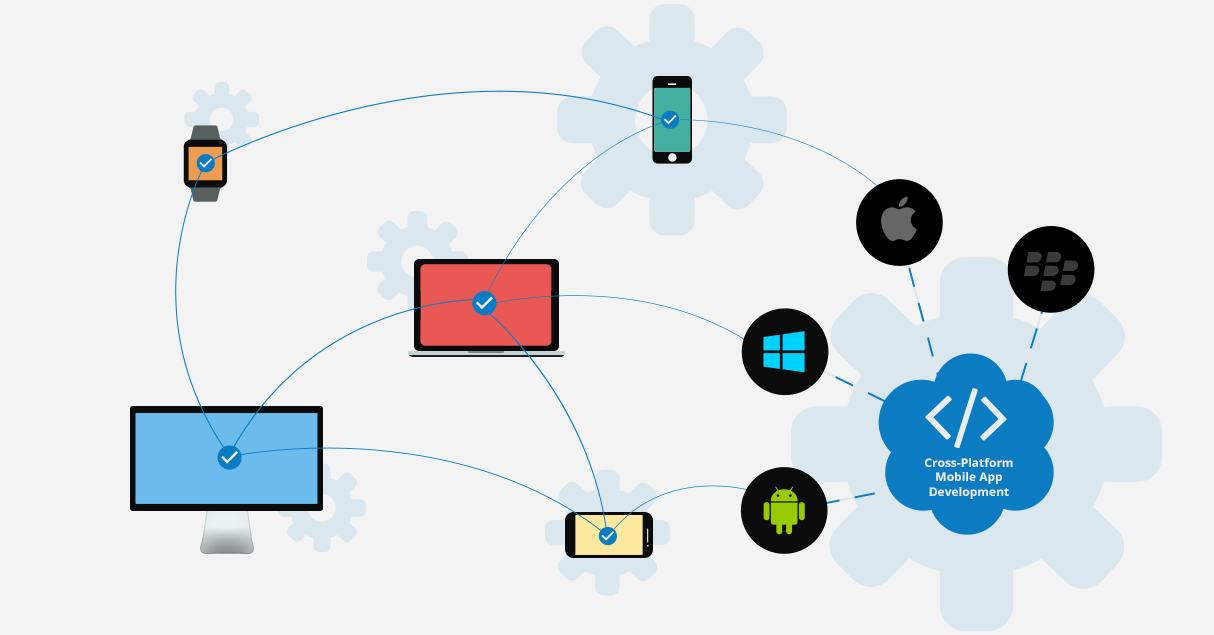
For many organizations that are growing rapidly financial constraints and competitive pressures make it difficult to launch apps across two operating systems simultaneously can put an enormous strain on resources. Cross-platform strategies allow a team of developers to create, test and maintain a codebase that can be used on both platforms. This hybrid strategy allows companies to gain real-time feedback from users at a low cost. This can also cut down the usual launch timeframe by months. Brands can create stunningly stylized and perfect user interfaces by choosing a Flutter app developer that specializes in this technology. This ensures visual consistency on every device. This cross-platform approach, supported by the robust background data syncing and automated testing creates an ideal balance between speedy market entry and high performance execution.
Engaging users in a sustainable manner
In the end, the effectiveness of a mobile launch will be judged by the longevity of usage patterns, not only temporary surges in downloads. The most efficient mobile architecture incorporates the most important triggers for behavior right into the technical stack ensuring that onboarding flow functions are beneficial within the first sixty seconds in addition to ensuring that local data stores seamlessly during unexpected cellular drops and that notification systems keep the users’ focus. The primary goal is the same, whether your team aims to launch a minimum viable product (MVP) to demonstrate market fit or deploy a massive enterprise data system that demands strict compliance. By adhering to a standardized and highly predictable engineering routine by using Digital Heroes that respects your users’ time and performance, you can build a resilient digital asset that fosters deep loyalty, drives consistent business growth, and remains on the users’ screens for the foreseeable future.